

Oct 16,2025

Exploring the Versatile Applications of Industrial Epoxy Flooring
Oct 16,2025
Oct 15,2025

Key Considerations for Industrial Epoxy Flooring: What You Need to Know
Oct 15,2025
Oct 14,2025

Unveiling the Magic of Industrial Epoxy Flooring: A Game Changer in the Industry
Oct 14,2025
Oct 13,2025

Demystifying Industrial Epoxy Flooring: Your FAQs Answered
Oct 13,2025
Oct 12,2025

The Rising Trend of Industrial Epoxy Flooring: A Game Changer for Warehouses
Oct 12,2025
Oct 11,2025
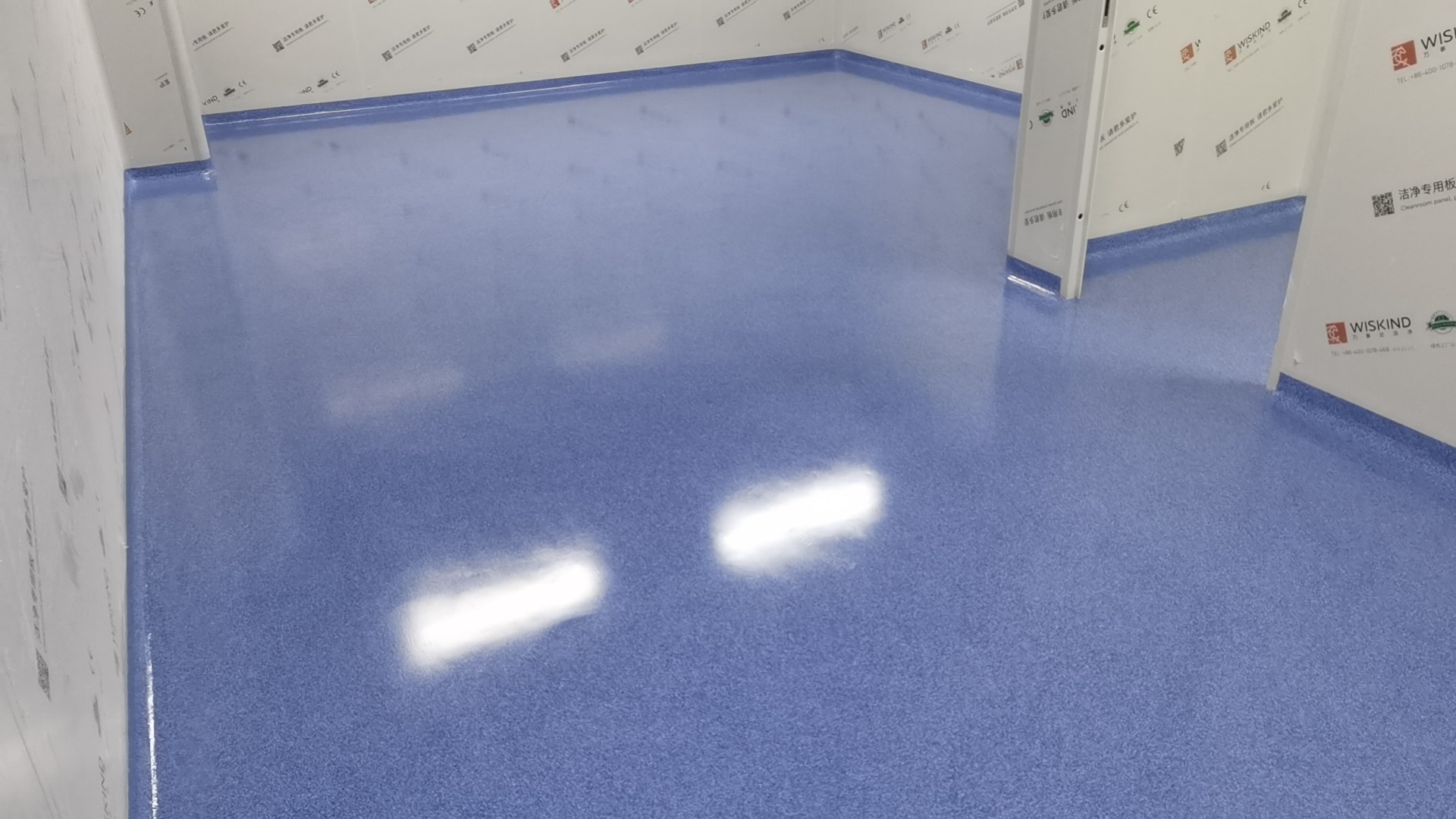
The Science Behind Industrial Epoxy Flooring: A Deep Dive
Oct 11,2025
Oct 10,2025

Unlocking the Benefits of Industrial Epoxy Flooring for Your Business
Oct 10,2025
Oct 09,2025

Revolutionizing Spaces with Industrial Epoxy Flooring: A Comprehensive Guide
Oct 09,2025
Oct 08,2025

Unlocking the Benefits of Industrial Epoxy Flooring: A Comprehensive Guide
Oct 08,2025
Oct 07,2025

The Rise of Epoxy Resin Floors: A Trend Worth Watching
Oct 07,2025
A specification document and a glossy test report are not enough to guarantee your industrial flooring will perform as promised. Every year, facility managers accept floors that look good on paper but fail within months — because no one verified what was actually installed. This guide provides a practical, step-by-step framework for on-site quality verification of epoxy flooring, polyurethane mortar flooring, industrial flooring, and anti-static flooring systems. You will learn which field tests matter, how to read lab reports critically, how to spot fraudulent certifications, and what a defensible pre-acceptance checklist looks like.
Environmental conditions during installation — not raw material quality — are the leading cause of industrial flooring failures. This guide provides facility managers and contractors with actionable temperature windows, humidity thresholds, dew point calculations, and substrate moisture testing protocols for epoxy, polyurethane mortar, and anti-static flooring systems, backed by ASTM, ISO, and IEC standards.